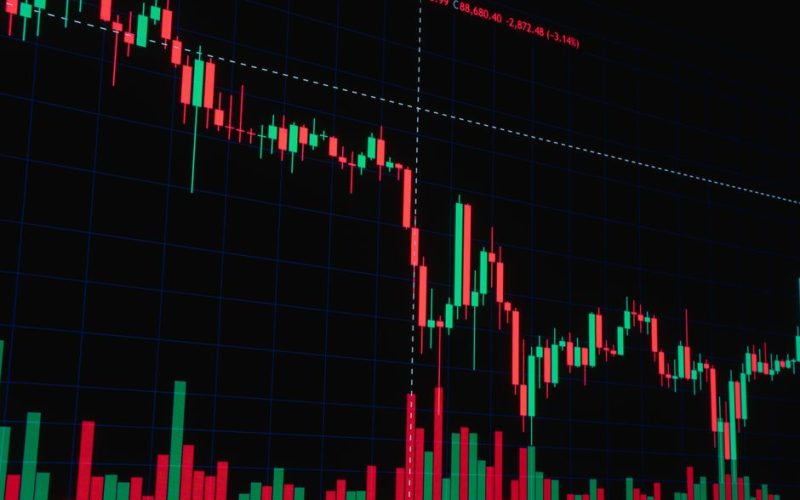
What happens when you buy stock is often deeply misunderstood by retail investors who view the market as a digital casino. Instead of purchasing a speculative ticket, you actually acquire fractional ownership in an active enterprise. In my view, modern trading applications have detached individuals from this fundamental reality by transforming equity into rapid clicks and colorful charts. While financial media glorifies short-term price momentum, true investing requires recognizing the real corporate mechanics, responsibilities, and risks behind every transaction. Understanding this distinction is essential if you want to build lasting wealth rather than gamble on market noise.
What Happens When You Buy Stock in Reality
When you click the buy button on a brokerage platform, you are not merely purchasing a flashing ticker symbol on a screen. In reality, you are acquiring fractional legal ownership of an active business entity. This means you hold a direct claim on a proportional share of the company’s underlying assets and future net earnings.
Many market participants forget that stock certificates represent real-world corporate operations. As a equity holder, you gain voting rights on major corporate decisions and potential dividend payouts when profits are distributed. In my evaluation, the psychological disconnect between asset price and corporate substance is the single largest mistake modern investors make.

Behind the Scenes: Settlement and Market Mechanics
Behind the simple user interface of consumer trading apps lies a complex financial clearing system. When a trade executes, cash leaves your account while legal title to the shares transfers through centralized clearinghouses. This settlement process establishes your official status as a shareholder of record within standard market operational windows.
However, modern market liquidity can create a dangerous psychological illusion. Because you can trade shares within seconds, it becomes tempting to treat corporate equity like a video game score. Skeptics of long-term ownership argue that liquid markets exist precisely to facilitate rapid trading entries and exits. While liquidity provides flexibility, I believe using it to gamble on daily sentiment undermines the primary wealth-building power of equity ownership.
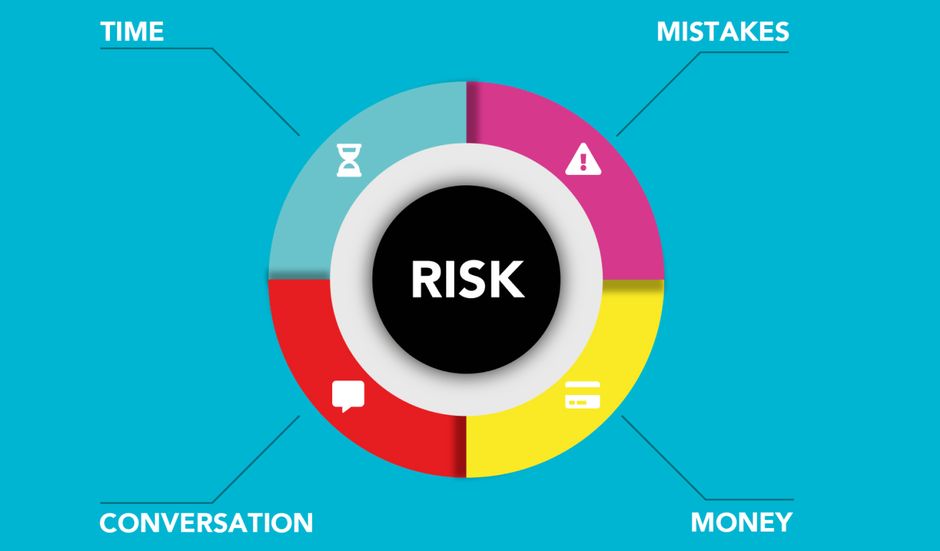
The True Nature of Stock Risk
Understanding equity risk requires distinguishing between short-term market volatility and the permanent loss of capital. Share prices fluctuate constantly due to interest rates, broad economic data, and shifting investor emotion. This price movement is uncomfortable, but it does not represent actual business loss for a long-term owner.
The real risk you assume when purchasing stock is fundamental operational failure. If a company suffers from poor management, aggressive competition, or excessive corporate debt, the intrinsic value of your equity degrades. Advocates of short-term market timing claim you can avoid these downturns by studying price charts. In my perspective, market timing is a fragile strategy that replaces business analysis with speculation, exposing investors to severe execution errors.
Adopting an Owner Mindset for Lasting Success
To navigate equity markets effectively, investors must reframe their relationship with financial exchanges. The stock market should serve as a venue for purchasing quality business equity at fair valuations, not as an entertainment platform. When you view shares as partial ownership of tangible enterprises, market noise ceases to cause panic.
Instead of asking where a share price will move tomorrow, evaluate whether the underlying business generates sustainable cash flows and durable competitive advantages. Ultimately, lasting success in stock investing comes down to treating every transaction as a serious enterprise acquisition rather than a speculative wager.